
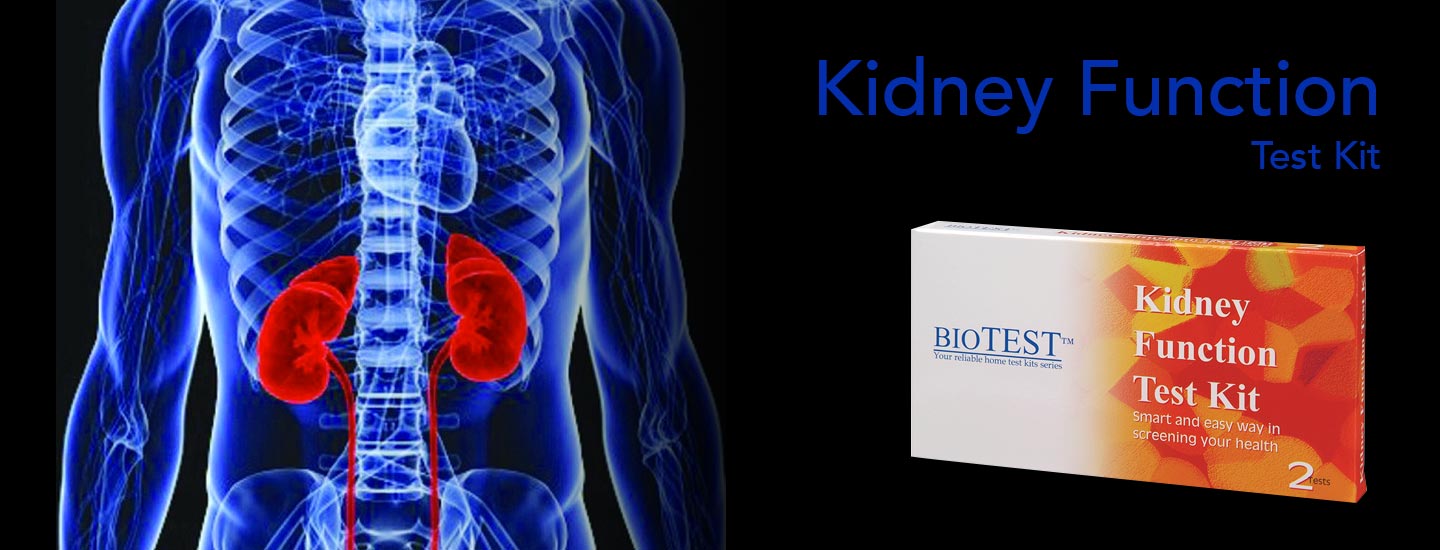
Are my kidney's losing any of its functions?
Kidney disease is increasing rapidly in developing world. With the ageing population and the increasing incidence of obesity, hypertension and diabetes, the number of patients with chronic kidney disease will continue to rise. Kidney disease is common, harmful but treatable. It is crucial for individuals to treat and manage kidney disease as early as possible, especially if you fall in the high-risk category, to maintain a good quality of life.
People who are on high risk of kidney disease include people with
- Diabetes
- Hypertension / High Blood Pressure
- Autoimmune diseases such as SLE
- who are obese
- who are over 50 years of age
- who smoke regularly
- family history of kidney disease, diabetes or hypertension.
You can also look out for some of these common Symptoms of kidneys not functioning properly:
- urinate less or more
- feel tired
- losing appetite
- feeling nauseous or drowsy
- swelling or numbness of hands and/or feet
- muscle cramp.
If you falls under the high-risk group or experience some of the symptoms above, do get yourself checked regularly. The BioTest Kidney Function Test Kit is a fast, easy and reliable screening test for kidney function. Learn about the test at which functions are we checking.
Do remember to read the instructions clearly before performing the test to ensure that you understand how to use the test, how to immediately read the result (as the colour result on the test is considered void after a few minutes due to humidity and contamination from the air) and finally where to find the result interpretation.
BioTest Kidney Function Test Kit is a dip and read test based on urine specimen. This test is designed to check three of our kidney’s main functions to see if it is still working perfectly or are showing signs of failure.
Filtering function
Nephrons in the kidneys act as barriers for red blood cells and large molecules such as proteins from being filter out. If our kidneys are not functioning properly, we will be able to find protein and red blood cells (RBCs) in urine. Since protein is the first to appear while RBCs will be a sign of later stage; we, therefore, test protein in urine to check on the filtering function of the kidneys.
Concentrating function
After filtering, our kidneys will reabsorb almost 99% of the filtrate back to the blood to retain water in the body. If our kidneys are losing this function, our body will lose more water. Clear signs for this are the increased frequency of urinations and diluted urine. To check on this function, our tests read the specific gravity of urine to measure how diluted or concentrated is the urine.
By-products removing function
A major task of our kidneys is to help our body to get rid of waste products. The most common waste products are urea and creatinine. These two compounds are usually present in the urine at high concentrations. Having them at low level in urine means that they are not being filtered and are circulating in our blood. Creatinine is a by-product of muscle energy metabolism and the absence or low level of it in urine tell us that the kidneys are failing in performing this function.
It’s Easy
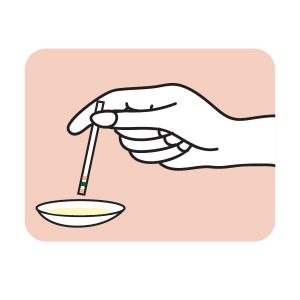
The BioTest Kidney Function Test Kit box include a urine collection cup. Just collect your urine, then dip the test and take it out immediately.
It’s Fast
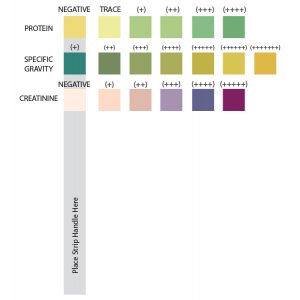
Compared the colour of the strip with the colour chart at the back of box. Read the interpretation in the Instruction for Use provided inside the box.
It’s Reliable
The test is highly accurate and it is the same test being used by physicians and laboratory to perform urine check.
Q What can I do about kidney disease?
A Unfortunately, chronic kidney disease (CKD) often cannot be cured. But if you are in early stages of a kidney disease, you may be able to make your kidneys last longer by taking certain steps. You will also want to be sure that risks for heart attack and stroke are minimized, since CKD patients are susceptible to these problems. If you have diabetes, watch your blood glucose closely to keep it under control. Consult your doctor for the latest in treatment. Avoid pain pills that may make your kidney disease worse. Check with your doctor before taking any medicine.
Q Do I need to have special diet to control the progress of kidney disease?
A Here are some points regarding your diet that may help controlling the progress of the diseased kidneys and also reduce the other risks associated with kidney disease.
Protein: Protein is important to your body. It helps your body repair muscles and fight disease. Protein comes mostly from meat. As discussed in an earlier section, healthy kidneys take wastes out of the blood but leave protein. Impaired kidneys may fail to separate the protein from the wastes.
Some doctors tell their kidney patients to limit the amount of protein they eat so that the kidneys have less work to do. But you cannot avoid protein entirely. You may need to work with a dietitian to find the right food plan.
Cholesterol: Another problem that may be associated with kidney failure is too much cholesterol in your blood. High levels of cholesterol may result from a high-fat diet. Cholesterol can build up on the inside walls of your blood vessels. The buildup makes pumping blood through the vessels harder for your heart and can cause heart attacks and strokes.
Sodium: Sodium is a chemical found in salt and other foods. Sodium in your diet may raise your blood pressure, so you should limit foods that contain high levels of sodium. High-sodium foods include canned or processed foods like frozen dinners and hot dogs.
Potassium: Potassium is a mineral found naturally in many fruits and vegetables, like potatoes, bananas, dried fruits, dried beans and peas, and nuts. Healthy kidneys measure potassium in your blood and remove excess amounts. Diseased kidneys may fail to remove excess potassium, and with very poor kidney function, high potassium levels can affect the heart rhythm.
Q Does smoking affect the progress of kidney disease?
A Smoking not only increases the risk of kidney disease, it contributes to deaths from strokes and heart attacks in people with CKD. You should try your best to stop smoking.
Q Why do most people with kidney disease have also problems with blood pressure?
A In addition to the kidney role in controlling body water content, and removing waste by-products, kidneys also produce a hormone called Renin. This hormone plays a major role in regulating blood pressure. A diseased kidney may lose the ability to produce this hormone and so affecting the blood pressure.
Q Does the kidney produce other hormones and what are their roles?
A Kidneys also produce the active form of Vitamin D and a hormone called erythropoietin. The active form of Vitamin D helps maintain calcium for bones and for normal chemical balance in the body. Erythropoietin, or EPO, stimulates the bone marrow to make red blood cells
Q What happens if my kidneys fail completely?
A Complete and irreversible kidney failure is called end-stage renal disease, or ESRD. If your kidneys stop working completely, your body fills with extra water and waste products. This condition is called uremia. Your hands or feet may swell. You will feel tired and weak because your body needs clean blood to function properly. Untreated uremia may lead to seizures or coma and will ultimately result in death. If your kidneys stop working completely, you will need to undergo dialysis or kidney transplantation.
Q What is dialysis?
A Dialysis is the process of passing your blood through a machine that filters away waste products. The clean blood is returned to your body in a continuous circulation. Dialysis is usually performed at a dialysis center three times per week for 3 to 4 hours.
Q What is Transplantation?
A This means that a kidney from a donor is to be planted in your body. The kidney that you receive must be a good match for your body. The more the new kidney is like you; the less likely your immune system is to reject it. Your immune system protects you from disease by attacking anything that is not recognised as a normal part of your body. So your immune system will attack a kidney that appears too “foreign.” You will take special drugs to help trick your immune system so it does not reject the transplanted kidney.
Download step by step instruction for use
English
Bahasa Malaysia
Tagalog
Thai
Arabic
Chinese
BioTest Other Product Range
Pregnancy
Ovulation
Menopause
Diabetes
UTI
Kidney Function
Liver Function
Ketosis Test Kit
Multi-Drug Test